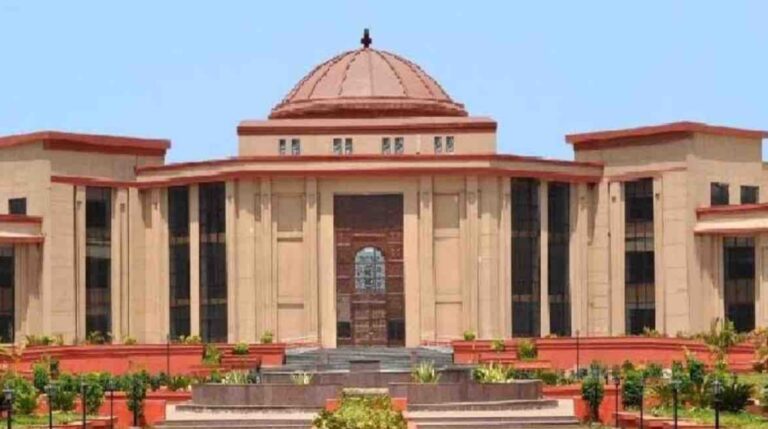
In a significant ruling reinforcing taxpayer protections, the Chhattisgarh High Court has held that service tax paid during the course of investigation or inquiry must be refunded once it is conclusively found that no tax liability exists. The Court clarified that such payments, often made under pressure during probes, cannot be retained by the tax authorities merely on the ground of limitation. Emphasising the principles of equity and fairness, the judgment underscores that the State cannot unjustly enrich itself when the very basis for collection of tax is absent.
Case Title & Court
Deepak Pandey vs. Commissioner of Service Tax, Service Tax Division
High Court of Chhattisgarh (Division Bench: Justice Rajani Dubey & Justice Amitendra Kishore Prasad) – December 25, 2025
Facts of the Case
- The assessee, a registered service tax provider, was subjected to a departmental investigation regarding alleged service tax liability in connection with a multi-level parking project.
- During the investigation, based on summons, the assessee paid ₹14,89,086 towards the alleged liability.
- Subsequently, the Raipur Municipal Corporation clarified that the parking facility was for public welfare and not for commercial purpose, which meant no service tax liability arose.
- Upon formal closure of the investigation with the department recording no liability, the assessee applied for a refund of the amount deposited.
Lower Authorities’ Decision
- The adjudicating authority, Commissioner (Appeals) and the Customs, Excise & Service Tax Appellate Tribunal (CESTAT) rejected the refund claim as time-barred under Section 102(3) of the Finance Act, 1994.
Section 102(3) imposes a six-month limitation for refund claims arising from specified retrospective exemptions.
High Court’s Findings
The High Court allowed the appeal and ordered refund, holding:
1. Limitation Cannot Override Substantive Rights
- The limitation under Section 102(3) could not be rigidly applied where the refund could only be claimed after the investigation was formally closed.
- The assessee could not have filed a meaningful refund application before the department formally recorded no liability.
2. No Amount Can Be Retained Without Legal Liability
- The Court reiterated the constitutional principle under Article 265 of the Indian Constitution that no tax can be levied or collected without authority of law.
- Since the department itself accepted no tax was payable, there was no legal basis to retain the deposit, and revenue would amount to unjust enrichment if retained.
3. Amount Paid During Investigation Is Not Assessed Tax
- The deposit was made during the course of investigation and not under any assessment order or demand.
- Therefore, statutory limitation for refund under the Finance Act could not be mechanically applied to bar recovery of amounts paid bona fide based on a mistaken liability.
Order / Relief
The High Court:
- Set aside the tribunal and departmental orders;
- Held the assessee is entitled to refund of ₹14,89,086, and directed the authorities to refund the amount in accordance with law.
Significance of the Ruling
This decision underscores that:
- A taxpayer should not lose legitimate refund rights simply due to timing of the claim when he could not reasonably file it before the closure of investigation.
-
Procedural or limitation provisions cannot defeat fundamental tax principles — specifically no tax without liability and no unjust enrichment.