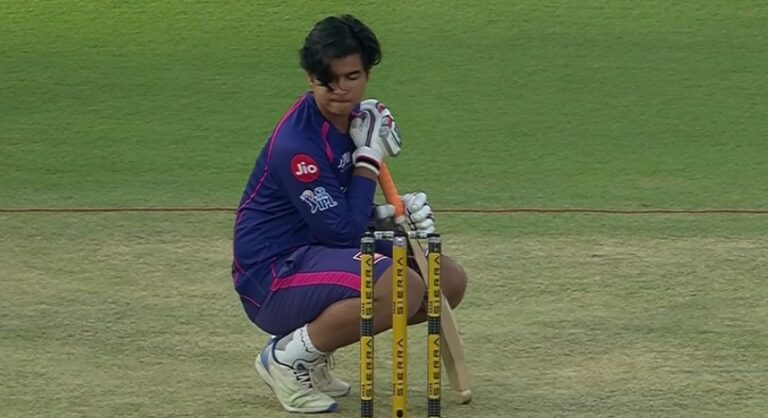
The remarkable rise of young cricket sensation Vaibhav Sooryavanshi has captured the attention of cricket fans and financial experts alike. At just 15 years of age, the IPL star has reportedly accumulated wealth worth nearly ₹7 crore through cricket contracts, match fees, endorsements, and sponsorship deals.
His success story naturally raises an interesting tax question: Can a minor earning crores of rupees be taxed separately, or does the tax liability fall on the parents?
The answer lies in the special provisions of the Income-tax Act governing the taxation of minors.
Taxation of Minor’s Income: The General Rule
Under Indian income tax law, income earned by a minor child is generally not taxed separately. Instead, it is added to the income of one of the parents under the “clubbing of income” provisions.
Section 99 of the Income-tax Act, 2025 (corresponding to the earlier Section 64(1A) of the Income-tax Act, 1961) provides that a minor child’s income is ordinarily clubbed with the income of the parent whose total income is higher before such inclusion. If the parents are separated, the income is clubbed with the parent who maintains the child.
This provision was introduced to prevent tax avoidance through investments and assets being transferred to children solely for reducing tax liability.
For example, if parents invest money in fixed deposits, mutual funds, bonds, or other financial instruments in the name of their minor child, the resulting interest, dividends, capital gains, or other income generally becomes taxable in the hands of the parent and not the child.
Why Vaibhav Sooryavanshi’s Case Is Different
The taxation of Vaibhav Sooryavanshi’s earnings follows a different rule because his income is generated through his own talent and performance.
His earnings arise from cricket contracts, tournament participation, sponsorship arrangements, and endorsements that are directly linked to his sporting abilities. Such income is not considered passive investment income created by parental funds.
The Income-tax Act specifically excludes from clubbing any income earned by a minor through:
- Work performed by the child;
- Activities involving the child’s own skill, talent, specialised knowledge, or experience; or
- Manual work undertaken by the child.
Therefore, income earned by Vaibhav through cricket is taxable in his own hands and is not added to the income of his parents.
In simple terms, for tax purposes, his cricket income belongs to him.
The Same Principle Applies Beyond Cricket
The exemption is not restricted to sportspersons.
In today’s digital economy, many minors generate substantial income through creative and professional pursuits. The same tax treatment applies where the income arises from the child’s own abilities.
Examples include:
- YouTube creators
- Social media influencers
- Child actors
- Singers and musicians
- Professional gamers and esports players
- Dancers and performers
- Young entrepreneurs offering specialised services
If the income is attributable to the child’s personal skill, talent, knowledge, creativity, or expertise, it is generally taxed separately in the child’s hands rather than being clubbed with the parent’s income.
A Common Mistake Made by Parents
Many parents assume that income earned from investments held in a minor’s name will automatically be taxed separately.
This assumption is often incorrect.
Suppose parents invest in:
- Fixed deposits
- Mutual funds
- Shares
- Government securities
- Insurance-linked investment products
Even though the investments may be held in the child’s name, the income arising from such investments is usually clubbed with the parent’s income and must be reported accordingly in the parent’s income tax return.
Failure to disclose such income correctly may result in under-reporting of income and potential tax consequences.
Is Any Tax Relief Available?
Yes.
Where a minor’s income is clubbed with the income of a parent, the parent is entitled to claim a deduction of ₹1,500 per minor child or the amount of income clubbed, whichever is lower.
Under the current framework, this relief is available for up to two children and is generally relevant where the parent opts for the old tax regime.
While the deduction amount is modest, it provides limited relief from the impact of clubbing provisions.
Situations Where Clubbing Provisions Do Not Apply
There are two major exceptions where the income of a minor is not clubbed with the income of the parent.
1. Income Earned Through Personal Skill or Talent
Where the income arises from the child’s own work, skill, talent, specialised knowledge, experience, or expertise, the income is assessed separately in the child’s hands. This is the exception applicable to Vaibhav Sooryavanshi.
2. Income of Certain Disabled Minors
The clubbing provisions also do not apply where the minor child suffers from specified disabilities recognized under the Income-tax Act. In such cases, the child’s income is taxed independently.
What Happens When the Child Turns 18?
The taxation rules become significantly simpler once the child attains majority.
After turning 18 years of age, the individual is treated as a separate taxpayer. The clubbing provisions cease to apply, and all income—regardless of its source—is taxed directly in the individual’s own hands.
The individual then becomes responsible for filing income tax returns, paying taxes where applicable, and complying with all tax obligations independently.
Conclusion
Vaibhav Sooryavanshi’s financial success demonstrates that age is no barrier to earning substantial income. However, Indian tax law distinguishes between income generated through parental investments and income earned through a minor’s own talent and effort.
While most income of minors is generally clubbed with the income of the higher-earning parent, earnings arising from a child’s personal skill, talent, knowledge, or work are taxed separately. As a result, income from cricket, acting, content creation, music, or similar talent-based activities can be assessed directly in the minor’s hands.
For parents and young earners alike, understanding these rules is essential to ensure accurate tax compliance and avoid costly reporting mistakes.
Follow the Link below to Watch the video: