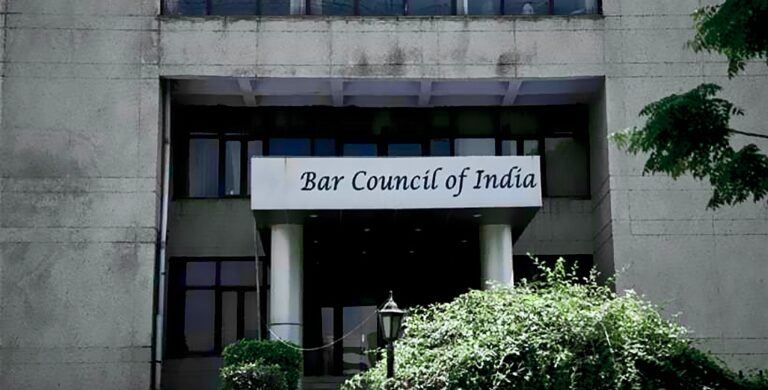
The Delhi High Court is currently hearing a significant batch of writ petitions that raise an important legal question: Can professionals who are not enrolled advocates — such as Chartered Accountants (CAs), Company Secretaries (CSs), and Cost Accountants — appear and argue cases before tribunals?
This issue has been brought before the Court through petitions filed by the Bar Council of India (BCI) and the Association of Tax Lawyers, both of which claim that only advocates enrolled under the Advocates Act, 1961 have the exclusive right to practise law before courts and tribunals.
The Delhi High Court has adjourned the matter to allow all parties to file additional written submissions. The case is now scheduled for further hearing on March 16.
Case Details
- Case Title: BCI v. Union of India
- Case Number: W.P.(C) 2360/2005
Main Issue
Whether professionals who are not enrolled advocates, such as:
- Chartered Accountants (CAs)
- Company Secretaries (CSs)
- Cost Accountants
can legally appear and argue cases before tribunals.
Arguments by Bar Council of India (BCI) & Tax Lawyers Association
The petitioners strongly claim that:
✅ Only Advocates Have the Right to Practise Law
They rely on the Advocates Act, 1961, especially:
- Section 30 → Gives advocates the right to practise before all courts and tribunals
- Section 33 → Restricts legal practice only to enrolled advocates
- Section 45 → Provides punishment for illegal legal practice
Key Point:
BCI argues that tribunal representation is part of legal practice, and therefore only advocates should do it.
Arguments by CAs, CSs and Other Professionals
The opposing side argues that:
Tribunals Allow Representation by Other Professionals
They cite:
- Section 432 of the Companies Act, 2013
This section permits representation by professionals like:
- CAs
- CSs
- Cost Accountants
Also, tribunal rules and practice directions often recognize them as “authorized representatives.”
Key Point:
Tribunal proceedings are often technical and financial in nature, where professionals play a crucial role.
Constitutional Challenge
The Court noted that one petition directly challenges the constitutional validity of Section 432.
Meaning:
- If Section 432 is struck down, only advocates may remain eligible.
- If upheld, professionals will continue representing clients.
Why This Case Matters
This case will have a major impact on:
- NCLT and NCLAT proceedings
- Tax tribunals
- Corporate litigation
- Rights of non-advocate professionals
It may redefine the boundary between:
- Legal practice
and - Professional representation
Current Status
The Delhi High Court has adjourned the matter for further submissions.
📌 Next Hearing Date: March 16
Conclusion
This case is a clash between:
- Advocates’ exclusive statutory right under the Advocates Act
and - Professionals’ statutory recognition under tribunal laws like the Companies Act
The final decision will determine who can legally argue before tribunals in India.